HU/EN
NRDIO STARTING 150326 Research Project
Geopolitical Tendencies and Balkan Strategy of the Austro-Hungarian Empire: Individual Sources and Foreign Policy Actors, 1878-1918
The aim of the project is to help contemporary political actors to understand the complexities of the Balkans and to address optimal responses to the new challenges by studying the mechanisms of decision-making, information gathering and conflict management through historical analogies, and by adapting contemporary approaches and methods (international relations, geopolitics etc.) in the historical past to shed new light on the geopolitical role of the Balkans in 1878–1918.
Within this period, without military conflict between powers (1878–1914), Austria-Hungary considered the Balkan peninsula as a field of economic expansion and political influence. Using the mentioned modern tools and terminology, the research examines the geopolitical considerations that shaped Austria-Hungary's Balkan strategy, whether was based on a general or territorially differentiated concept, whether it was flexible or rigid, preventive-proactive or interventionist-reactive, and whether individual actors (e.g. Lajos Thallóczy, Stephan Burián or Benjámin Kállay) had a direct or indirect influence on the shaping of the processes. Relying on the personal, unpublished documents (diaries and correspondence) of these leading diplomats instead of official reports, and examining the methods of informal information gathering (economic actors, scientific expeditions) and the channelling of this information into the decision-making process we try to go deep in understanding process of foreign-policy making.
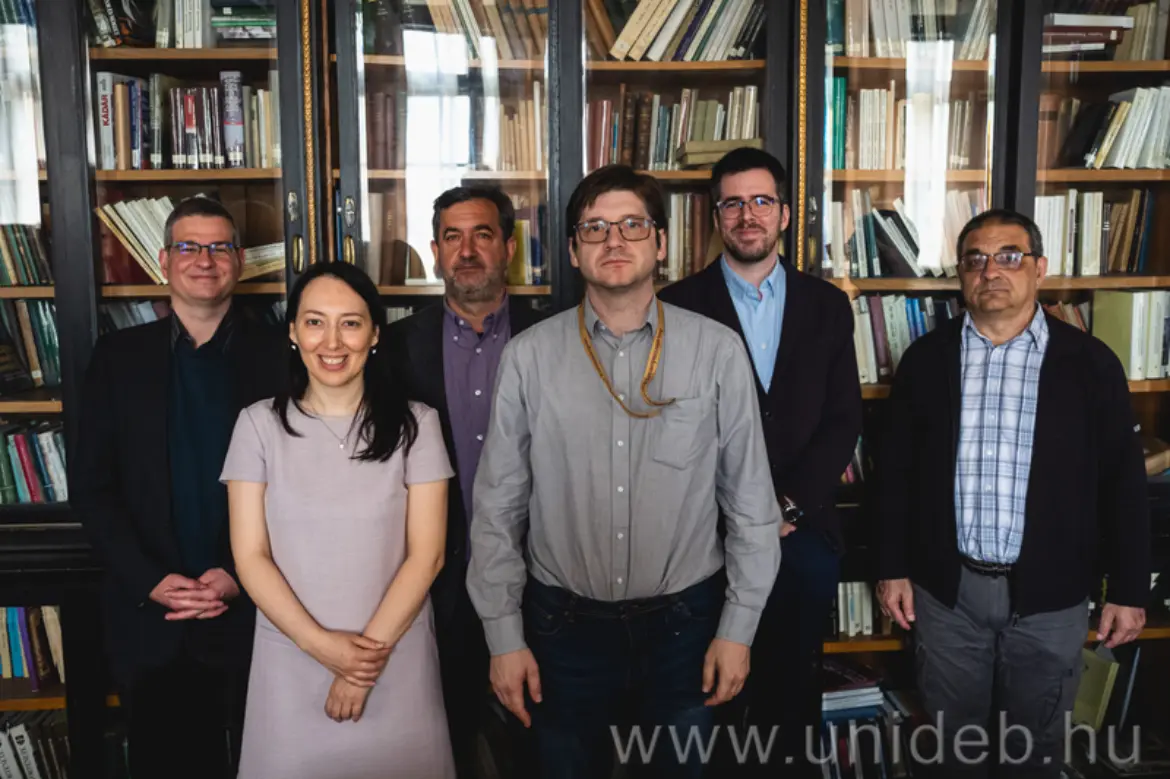
The project mobilises Balkan researchers from the universities of Debrecen, Pécs and the Hungarian Research Network, thus the most important workshops of Balkan studies in Hungary are involved.